
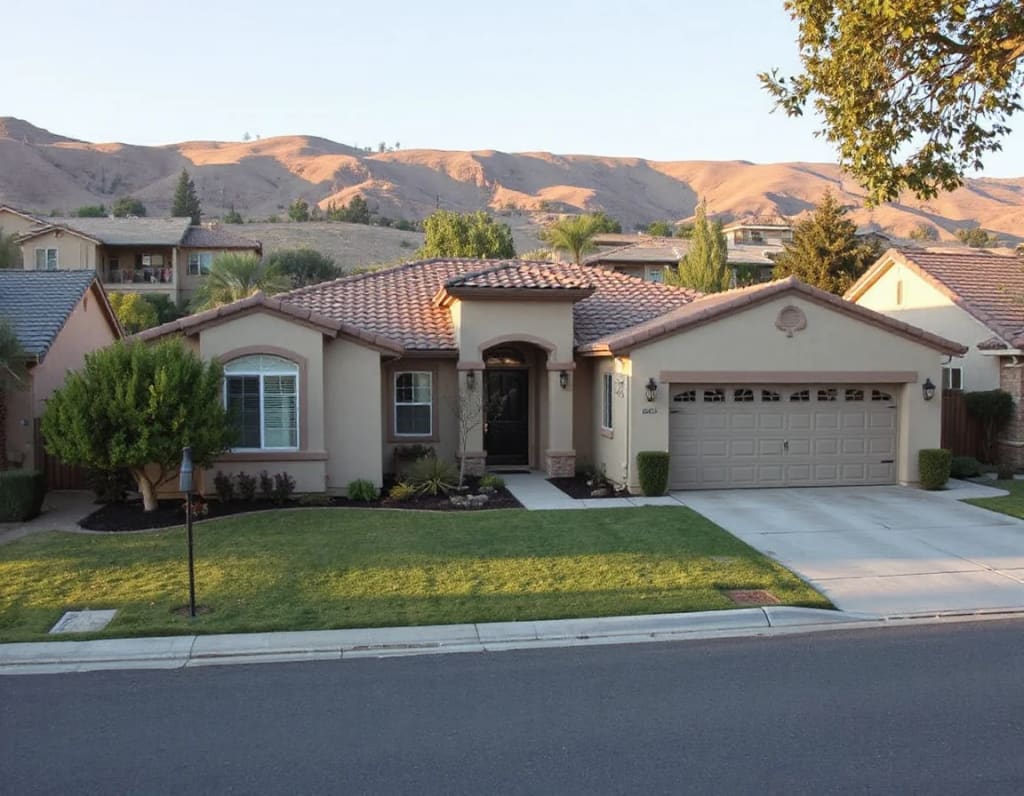
What Sellers Should Know About Pricing in a Shifting Santee Market
Pricing Smart in a Market That No Longer Moves on Autopilot
When the market shifts, pricing becomes less about guessing high and more about reading the moment with precision. Sellers in Santee are seeing a different rhythm than the fast, highly compressed pace of recent years, and that means strategy matters from day one. A well-priced home can still attract strong attention, but the path to that result often depends on timing, presentation, and a realistic view of current buyer behavior.
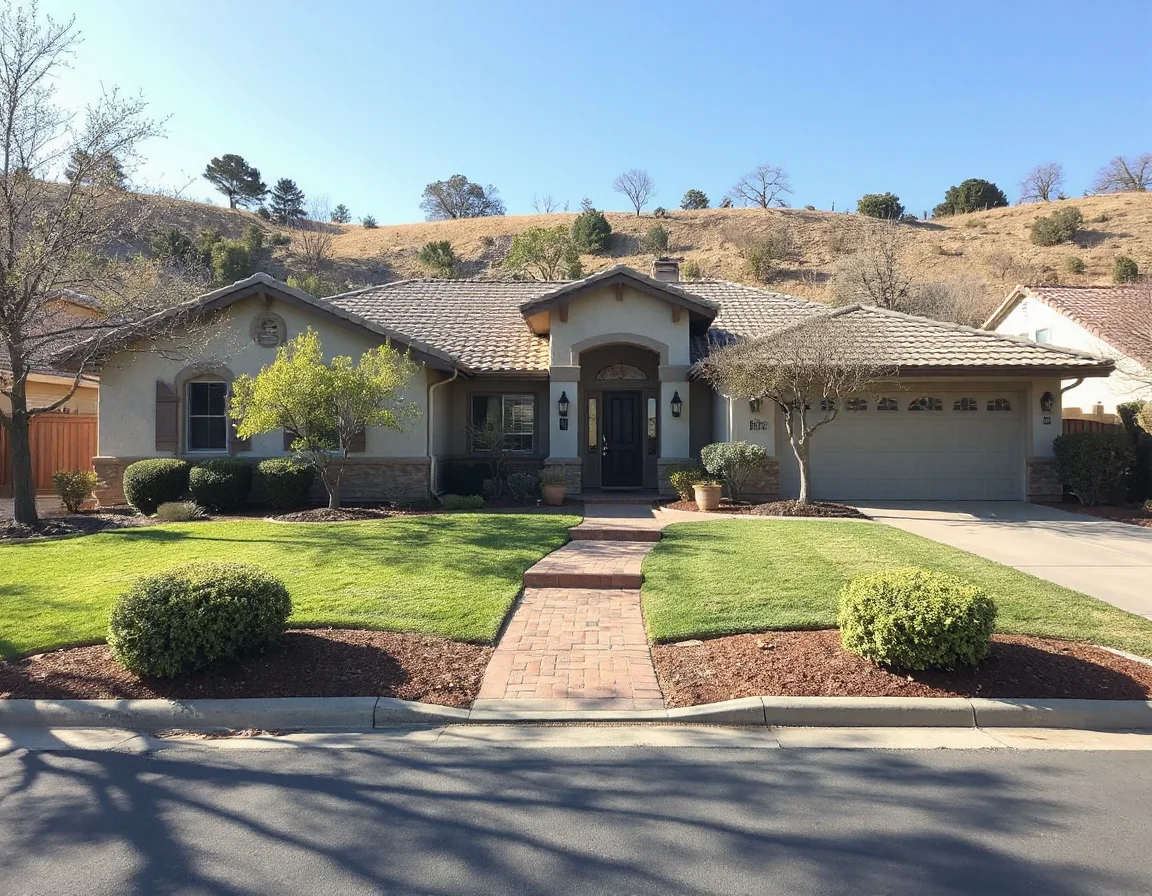
In a changing environment, sellers often benefit from treating price as a positioning tool rather than just a target number. Buyers compare homes quickly, and they are paying close attention to value, monthly costs, and condition. If a listing enters the market above what nearby sales and current competition support, it can lose momentum in the first two weeks, which is often when the most engaged buyers are watching closely.
The first impression is financial as much as visual. Fresh paint, clean landscaping, updated lighting, and a polished online presentation all help, but they work best when paired with a price that feels credible. Today’s buyers are often more measured than they were in a lower-rate environment, so they may skip over a home that appears stretched on price even if the property itself is appealing.
That is why comparable sales matter, but so does the active inventory sitting on the market right now. Closed sales tell part of the story. Active listings reveal the alternatives buyers are considering this week. Pending listings can also offer clues about what pricing bands are generating action. Looking at all three together usually produces a more useful pricing range than relying on one recent sale alone.
What “Shifting” Really Means for Sellers
A shifting market does not automatically mean a declining market. Sometimes it simply means homes are taking longer to sell, buyers are negotiating more often, or the gap between updated and dated properties is widening. In places like Santee, where buyers often weigh access to parks, shopping, recreation, and commuting routes alongside home features, pricing should reflect how the property compares not just on square footage, but on overall convenience and condition.
For example, a home with an updated kitchen, energy-efficient windows, and well-designed outdoor space may justify stronger pricing than a similar model nearby that needs cosmetic work. On the other hand, sellers should be cautious about assigning full value to every improvement. Not every dollar spent on upgrades returns dollar-for-dollar in list price. The market decides what buyers are willing to pay, and that number is sometimes more modest than an owner expects.

Another important shift is the return of buyer selectiveness. During extremely competitive periods, buyers often overlooked small issues to secure a property. In a more balanced environment, deferred maintenance can influence both price and terms. Worn flooring, dated bathrooms, or a roof near the end of its life may not stop a sale, but they can affect the number of showings, the quality of offers, and the scope of repair requests.
This is also where hyperlocal knowledge becomes valuable. Pricing in one part of East County is not always interchangeable with another, and even within the same city, buyer response can vary by lot type, views, school attendance boundaries, street traffic, and proximity to amenities. Mission Realty Group and Noah DeLong’s local Southern California focus can help sellers evaluate those details in context rather than relying on broad averages alone.
How to Avoid the Most Common Pricing Mistakes
The most frequent mistake in a transitional market is “testing” an ambitious list price with the idea of reducing later if needed. While that approach can seem harmless, it often costs time and leverage. A stale listing can invite lower offers than a properly priced home would have received at launch. Buyers tend to wonder whether there is a hidden issue when a property lingers, even when the real problem is simply that the asking price started too high.
A second mistake is pricing based on what a seller wants to net instead of what the market supports. Your financial goals matter, of course, but buyers do not calculate value from the seller’s closing needs. They compare the home against other available options. If those alternatives offer similar space, condition, or location advantages at a lower figure, buyers may move on before scheduling a showing.
Overcorrecting can be a mistake too. Pricing well below market value in hopes of starting a bidding contest does not always work in a calmer market. It can create confusion, attract mismatched expectations, or leave money on the table if the response is softer than anticipated. The strongest strategy is usually neither aggressive overpricing nor dramatic underpricing, but a disciplined number that aligns with current demand and the property’s competitive strengths.
Sellers should also think beyond the list price itself. Concessions, rate buydown assistance, repair credits, and flexible timelines can all influence the final outcome. In some cases, a seller who prices appropriately and stays open to practical terms may come out ahead compared with one who insists on a higher number but faces repeated reductions and extended carrying costs.
Reading Buyer Feedback the Right Way

Once a home is live, feedback becomes one of the clearest indicators of whether the pricing strategy is working. If showings are limited, price may be the issue. If showings are strong but offers are missing, buyers may see value concerns after visiting in person. If multiple visitors mention condition, layout, or needed updates, those comments should be weighed carefully alongside the price discussion.
Online metrics can help too. Saves, shares, and listing views provide useful signals, but they are not the same as in-person demand. A home can attract digital attention and still fail to convert because buyers feel the price does not match what they experience on site. That is why early review of showing activity, agent comments, and competing inventory is so important during the first several weeks.
Adjustments should be thoughtful and timely. A meaningful correction usually performs better than a series of very small cuts that still leave the home above the range buyers find compelling. The goal is not just to reduce the number, but to reposition the listing where fresh groups of buyers will recognize the value.
The Bottom Line for Santee Sellers
A shifting market rewards preparation, realism, and local insight. Sellers who study current competition, present their homes well, and price according to present conditions rather than past headlines often put themselves in a stronger negotiating position. In Santee, where lifestyle appeal includes outdoor recreation, convenient retail access, and a mix of established neighborhoods and newer housing options, buyers are still active—but they are making more deliberate choices.
The best pricing strategy is one that respects both the property and the market. With guidance grounded in local Southern California trends, sellers can make informed decisions about launch price, timing, and any adjustments needed along the way. When pricing is handled with care from the start, it gives the home the best chance to stand out, attract qualified interest, and move toward a smoother closing.